
Recycled content and recyclability: two separate checks
Recycled content describes material origin. Recyclability concerns the finished packaging and its recovery process. Keep the evidence separate.
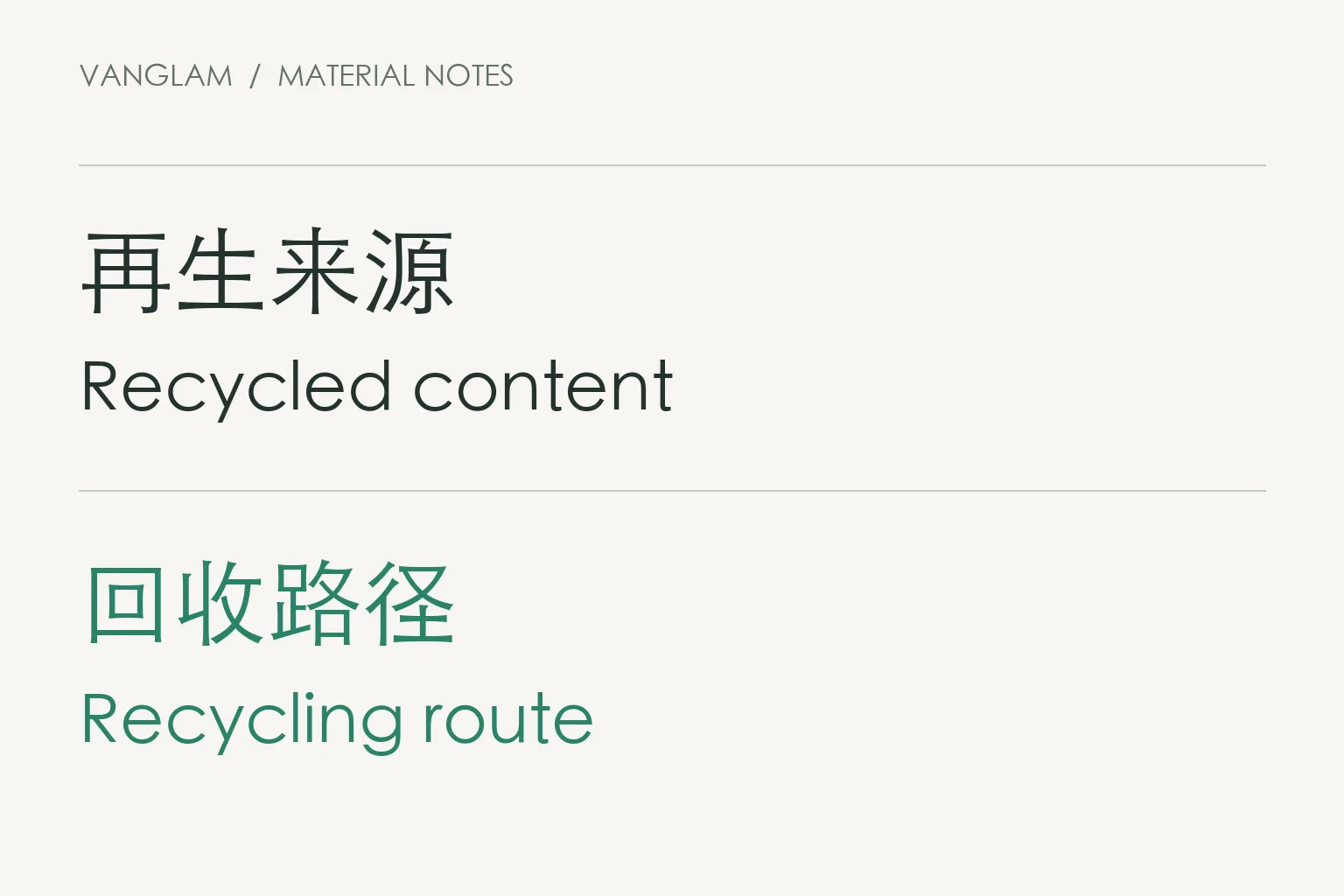
The original diagram separates material origin from recovery routes. It is not a product photograph or a test result.
Recycled paper and recyclable packaging answer different questions. One describes where the paper fibres come from; the other concerns recovery of the finished item in a relevant system. Using recycled paper does not establish the behaviour of a package after coatings, inks, adhesives and accessories are added.
Tie the claim to a paper grade
For a recycled-content direction such as RECAST, check the specific grade description, content claim and supporting documents. Keep that evidence in the material record. Do not extend a paper claim automatically to a complete gift box, shopping bag or label. Update the record when the paper specification changes.
Assess the finished construction
Assess the complete structure. The paper, adhesive layers, surface treatments and non-paper components should be identified with the sample. Cepi’s laboratory method simulates pulping, screening and sheet formation in conventional mills. Its defined process scope does not cover every recovery route or establish that a package will be collected in every market.
Define the project requirement
Does a recycled-paper package still need assessment? Confirm each requirement against the project brief. Identify the sales market, intended collection route and finished construction, then agree an appropriate sample and method with the converter and testing provider. Material claims, laboratory reports and consumer disposal instructions each need their own basis.
Keep three records from the start: material origin, package composition and the intended market’s recovery arrangements. Further reading: Cepi Recyclability Test Method Version 3. This explains the method’s scope; it is not evidence that a QiLi or VANGLAM product has passed a test.