
Carton adhesives: check the bond and recovery separately
Start with the seam, paper surface and adhesive application. Put functional requirements and recovery goals into the same packaging brief.
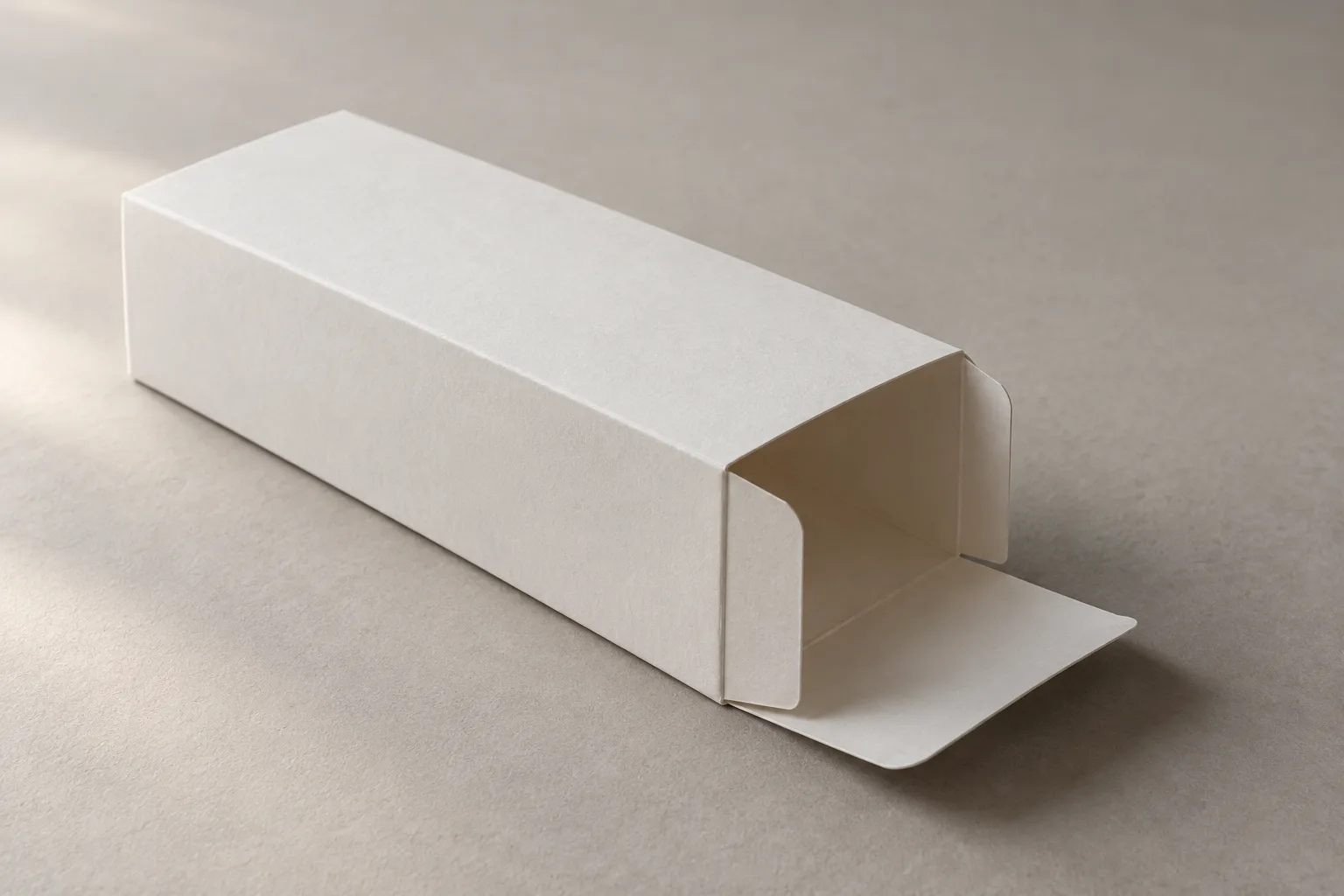
The folding carton is an application concept, not an actual paper grade, bond trial or recycling test result.
Specify what the adhesive must do before selecting it. Is the joint on the side seam, base or insert? Does it join bare paper, a printed area or a treated surface? These details help the converter and adhesive supplier prepare a useful trial more than a general request for a strong bond.
Keep a bonding record
Keep a short bonding record: paper grade, contact surface, seam dimensions, adhesive identification and application area, processing conditions and intended use. The supplier and production team should establish the application amount and operating conditions. A general article cannot prescribe one setting for every carton.
Prototype the final construction
Prototype with the final paper and construction. Review the seam through assembly, opening, storage and intended use. FIELD, RECAST and FIBREWORK within EARTH are different material directions; their names do not establish adhesive compatibility. Revisit the bonding specification when a surface or finish changes.
An adhesive name is not a package assessment
Does a water-based adhesive establish that the whole box is recyclable? Its name is insufficient. Recovery concerns the combination of paper and other materials, the relevant treatment process and the target market’s collection requirements. Cepi’s guidance considers both packaging protection and recycling, including market conditions.
Give the assessment team the adhesive information and the complete carton sample. Record functional performance and the required recovery evidence separately. Further reading: Cepi Paper-based Packaging Recyclability Guidelines. This is an industry-method reference, not an assessment of a QiLi paper and adhesive combination.